

Growing Talent from Within
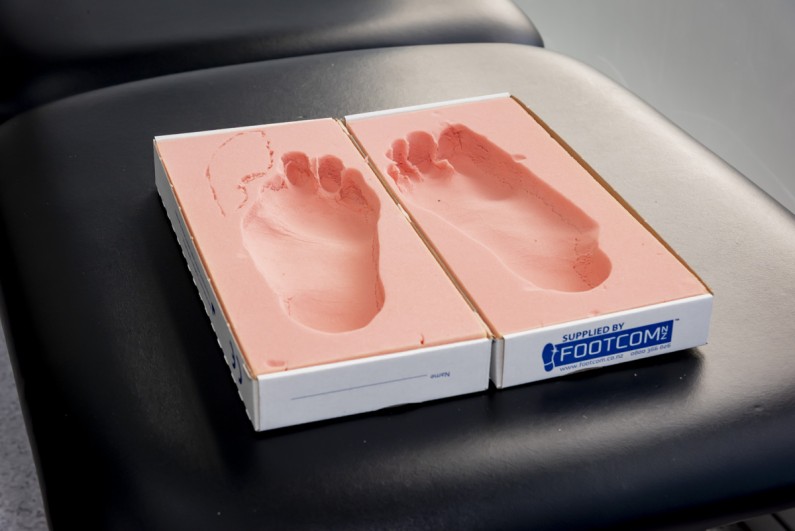
Five years ago, Daniel Gruppelaar was working as a technician, bringing with him a background in mechanical engineering and computer aided design (CAD). This year he is a clinician, having completed three years of prosthetics and orthotics study in Australia through our Clinical Prosthetist/Orthotist training pathway.
With no prosthetics and orthotics degree available in New Zealand, Peke Waihanga supports talented people through our clinical training pathway to train overseas and return home as clinicians. Daniel’s experience is one example of how people can develop different areas of expertise and contribute to Peke Waihanga in different ways throughout their careers.
Finding his path
While Daniel enjoyed the technical side of engineering, he was looking for a role that combined his design skills with a stronger biomedical focus.
A search on SEEK led him to Peke Waihanga. After contacting HR Manager Sarah Maguire, Daniel visited the Dunedin centre, where he met Clinical Prosthetist, Mark McDowall and talked with the technical team.
“The visit confirmed it was the career path I was looking for,” says Daniel.
Daniel joined the Christchurch centre as a technician, knowing the role would form part of his pathway towards the clinical training pathway. He spent two years developing practical skills in prosthetics and orthotics before moving to Queensland to study.
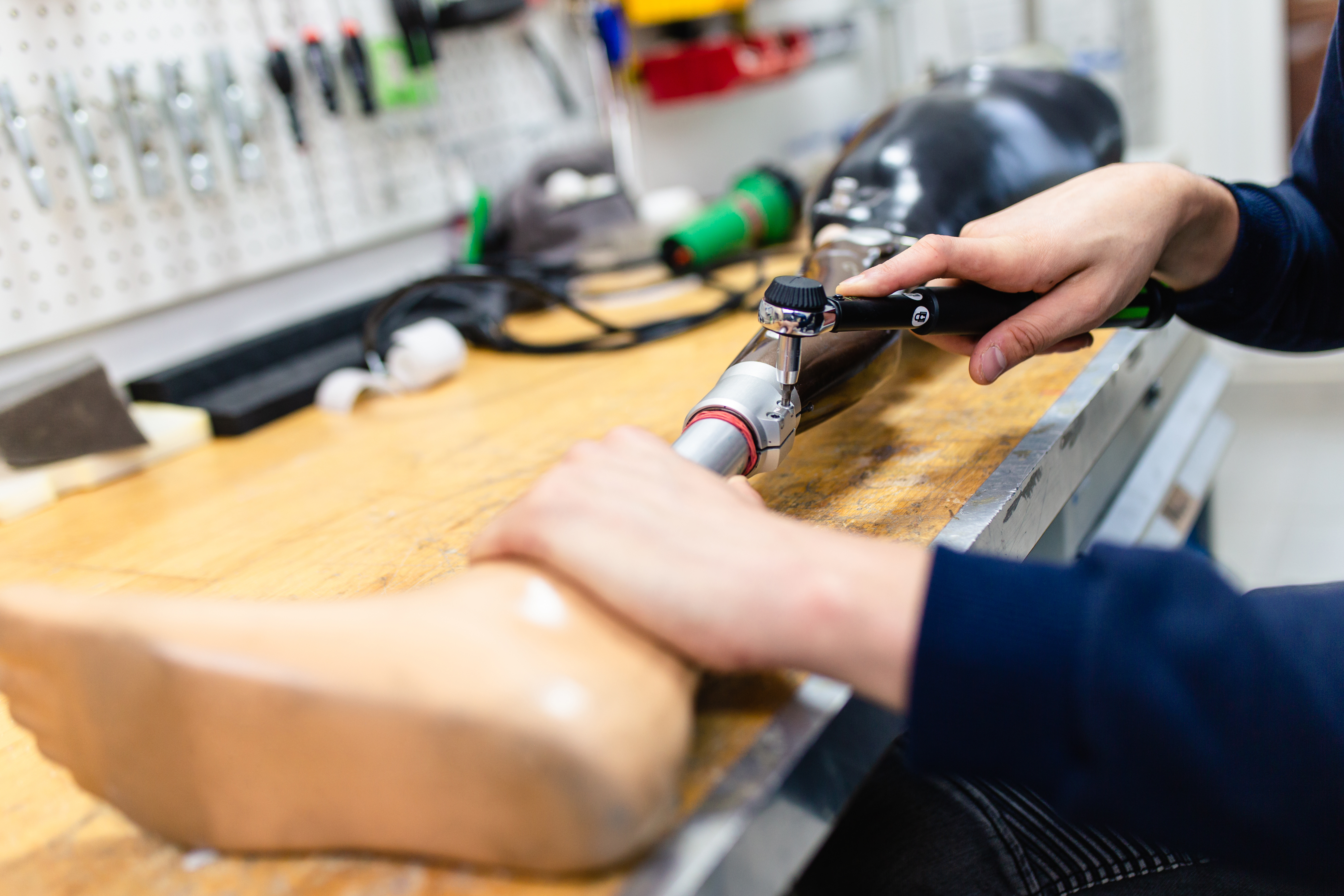
Technicians are problem solving experts who are regularly presented with complex manufacturing issues. They will think outside the box to find solutions to optimise the use, function and look of the prostheses or orthoses.
“The tech role was very helpful in getting an understanding of what the work was about before even doing the course. Even in the second and third year, I had some knowledge of the course content, having worked as a technician,” said Daniel.
Studying overseas
In 2023, Daniel began his studies at the University of the Sunshine Coast.
His previous university and work experience gave him a strong foundation, but completing the degree still required plenty of commitment, including clinical placements across Australia.
“I worked part-time and saved as much as I could over the first two years to help me meet the extra costs for placements in year three. That helped a lot.”
More than 40 students began the course, with just over 20 going on to graduate. Daniel not only graduated, he achieved the highest mark in his class and received a Medal of Excellence.
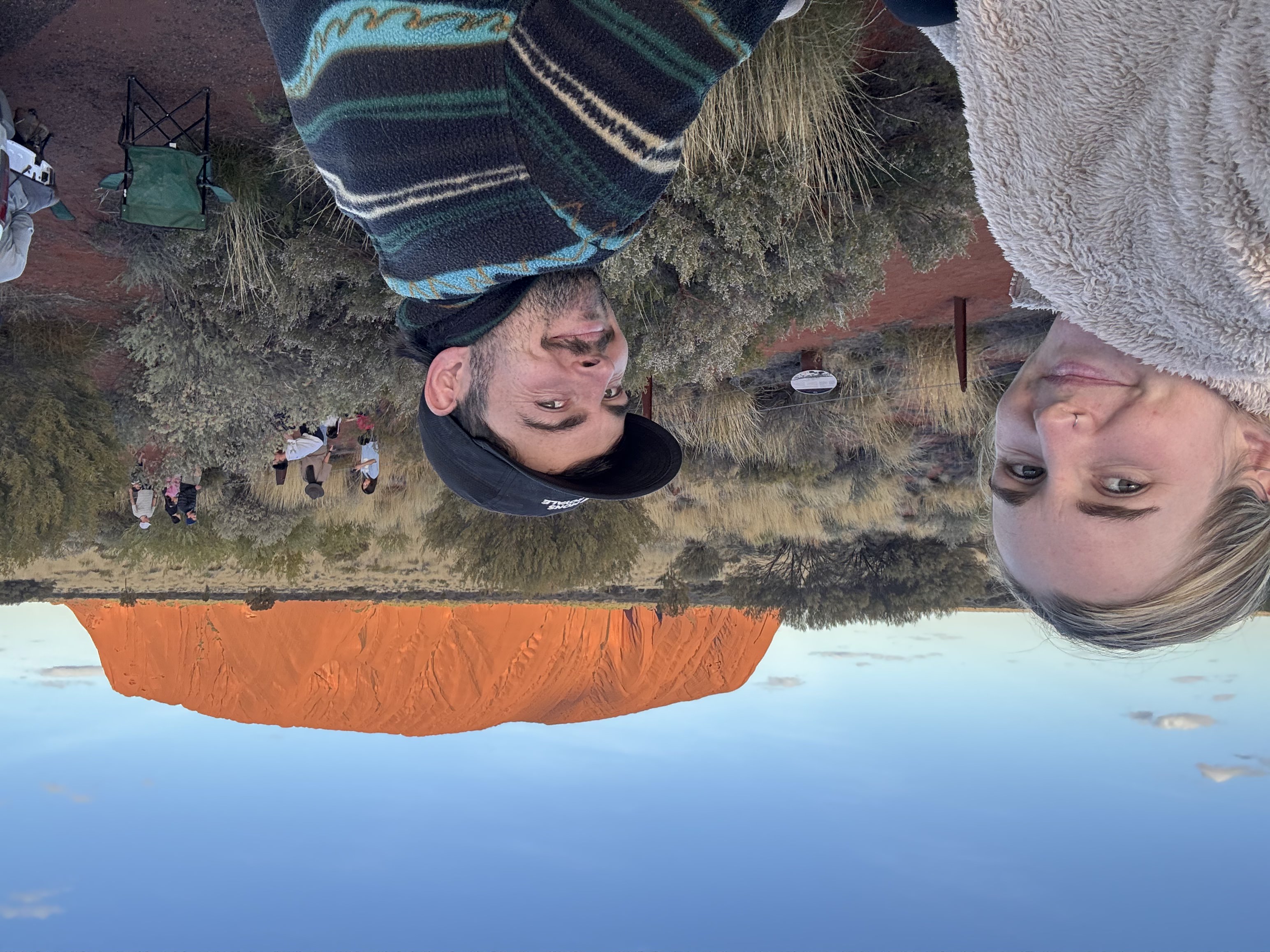
While in Australia, Daniel squeezed in sightseeing wherever he could, including a visit to the Northern Territory to see Uluru up close.
Returning to Peke Waihanga
When Daniel returned to Peke Waihanga this year, he noticed how much the organisation had changed.
“I was working in the old centre before I left. When I came back, the Christchurch centre had been completely rebuilt. It was nice, but it felt like a new workplace. There were a lot of new faces too. The company has grown massively since I left.”
Daniel was also taking on a different role within the organisation and was curious about how the transition would feel. “I was worried I’d still be seen as a technician, but everyone treated me like one of the clinicians from day one. I’ve been really respected in the workplace.”
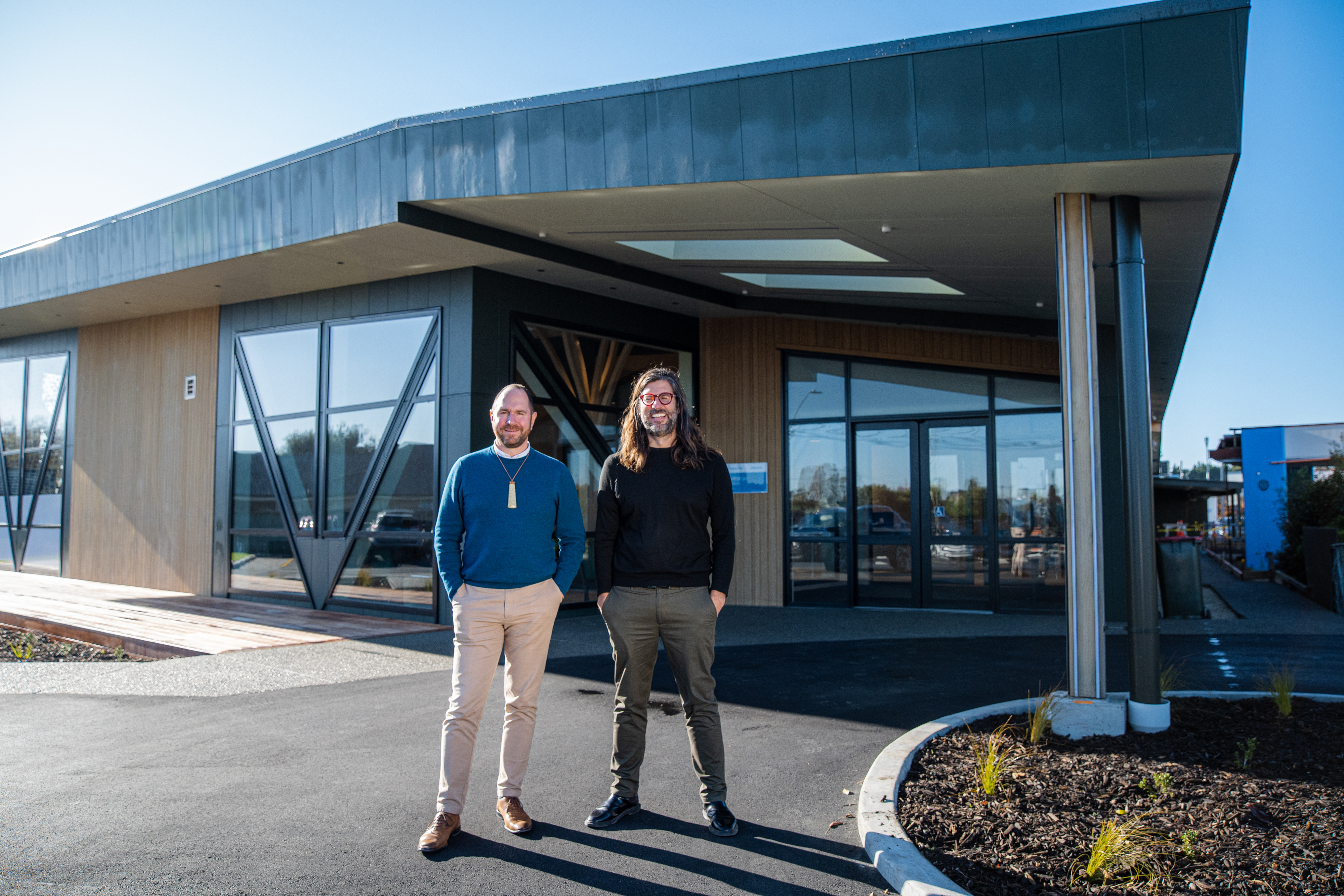
The new $6 million Christchurch centre was built in Daniel's absence.
Christchurch Orthotics Clinical Lead, Zandri Anderson said, “Daniel has settled into the role exceptionally well – it’s easy to forget he’s at the beginning of his career. He’s brought a positive attitude and energy to the team and has adapted quickly to the demands of the role. He is thorough in his clinical approach and takes the time to research and consider the best orthotic solution for each patient. His commitment to achieving good outcomes is evident in the care he puts into his work. What has impressed me most is how well he has integrated into the team and taken on responsibility across the clinics. Even when faced with challenging situations or a steep learning curve, he approaches them with a positive attitude and a willingness to learn.”
Daniel’s experience as a technician remains an important part of his perspective, giving him an understanding of the technical work that supports clinical care.
He credits his time at the Christchurch centre with helping prepare him for clinical work. “They set me up really well with the expectations of what the job is all about.”
Looking ahead
Seven months into his clinical career, Daniel is focusing on orthotics. Graduates train in both orthotics and prosthetics before choosing an area to begin their practice.
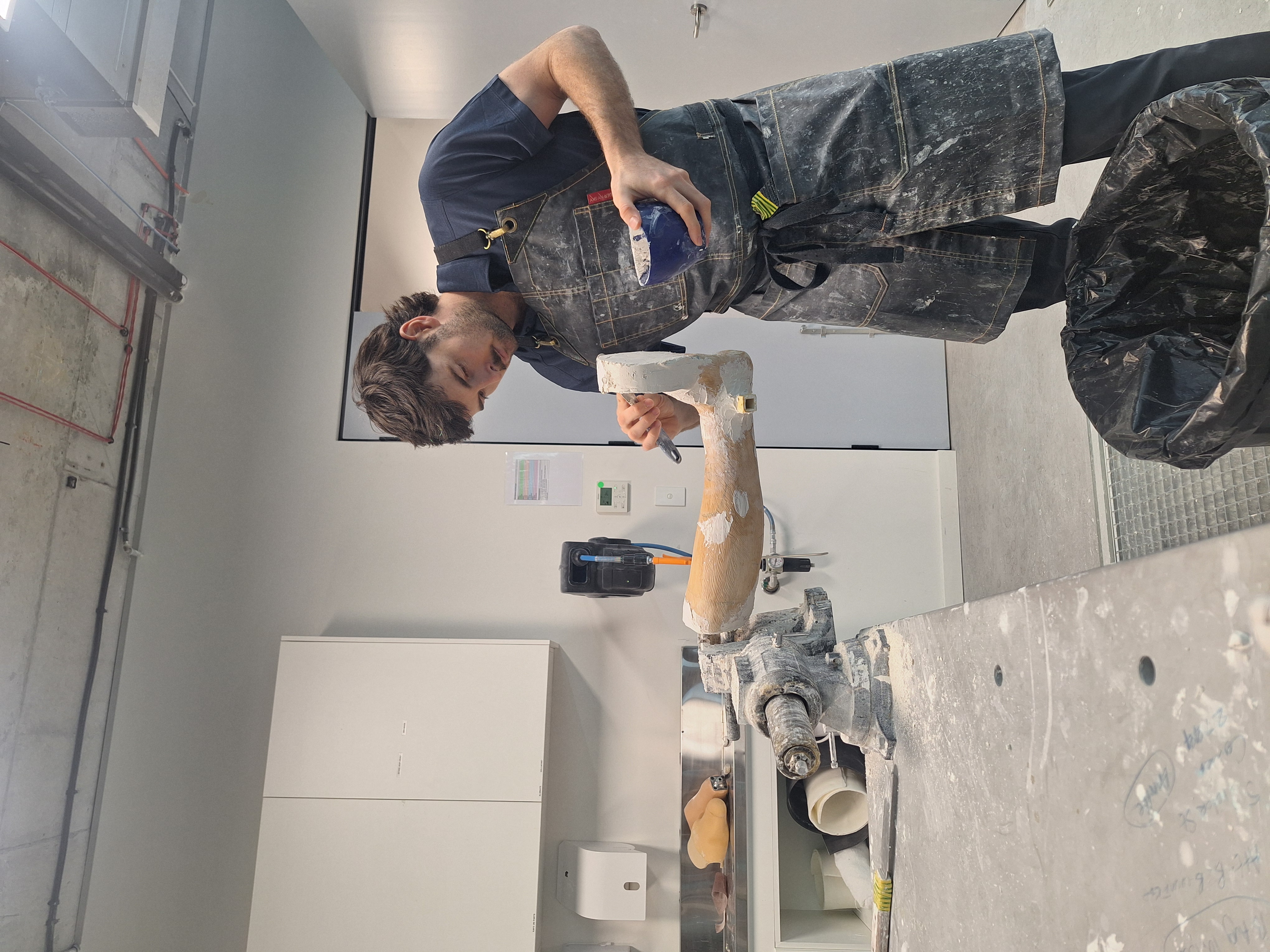
Daniel working on an AFO cast while on placement in Australia.
“I’m glad I chose orthotics – it’s massive. If I didn’t start with that, I’d never remember it all!” He is particularly interested in spinal cord injuries and neurological conditions, currently developing his skills in gait assessment. Prosthetics will come next.
His advice to people considering the clinical training pathway is simple: “Definitely do the tech work first. It helps you out significantly.”
He also highlights the importance of being comfortable working with people. “It’s a patient-facing role. If you’re a tech who enjoys hiding away, maybe it’s not the role for you. It’s a customer service role at the end of the day, and you have to make sure the patient feels heard.”
For Daniel, the opportunity to develop new skills while building on his existing experience has made the clinical training pathway a valuable part of his career at Peke Waihanga. “I’m really happy I’ve chosen this work.”
Back